Last updated: February 10, 2026
Sapiens vs The Selfish Gene: Head to Head Comparison
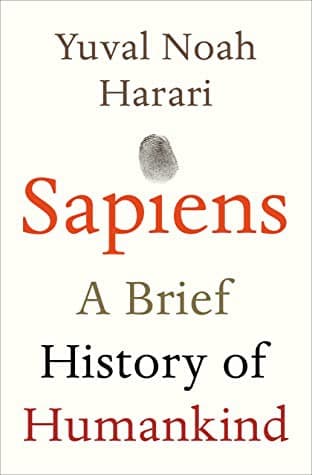
Sapiens
by Yuval Noah Harari
💡 We earn from qualifying purchases. Learn more
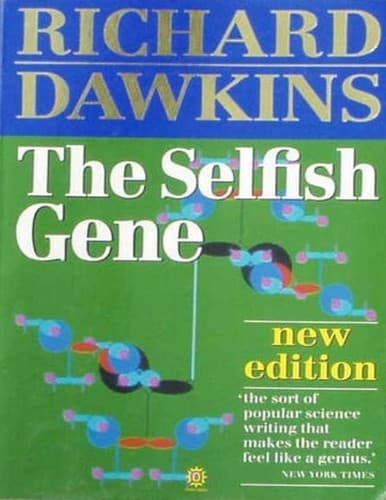
The Selfish Gene
by Richard Dawkins
💡 We earn from qualifying purchases. Learn more
Quick Comparison
| Feature | Sapiens | The Selfish Gene |
|---|---|---|
| Main Focus | Human cultural and historical evolution | Genetic evolution and natural selection |
| Core Argument | Humans succeeded through shared myths and cooperation | Genes are fundamental units of natural selection |
| Scope | 70,000 years of human history | 4 billion years of life on Earth |
| Approach | Historical narrative, big-picture storytelling | Scientific theory, detailed biological mechanisms |
| Difficulty Level | Accessible, conversational | Requires focus, more technical |
| Page Count | 443 pages | 360 pages |
| Published | 2011 (English: 2014) | 1976 (revolutionary at time) |
| Feature | Sapiens | The Selfish Gene |
|---|---|---|
| Main Focus | Human cultural and historical evolution | Genetic evolution and natural selection |
| Core Argument | Humans succeeded through shared myths and cooperation | Genes are fundamental units of natural selection |
| Scope | 70,000 years of human history | 4 billion years of life on Earth |
| Approach | Historical narrative, big-picture storytelling | Scientific theory, detailed biological mechanisms |
| Difficulty Level | Accessible, conversational | Requires focus, more technical |
| Page Count | 443 pages | 360 pages |
| Published | 2011 (English: 2014) | 1976 (revolutionary at time) |
Strengths & Weaknesses
Sapiens
✓ Strengths
- ✓Makes 70,000 years of human history feel coherent and understandable. From foragers to farmers to Facebook—one narrative arc showing how we got here
- ✓Brilliant at connecting disparate fields—biology, history, economics, religion all woven together. Shows how Agricultural Revolution connects to capitalism today
- ✓Challenges conventional wisdom about progress and human nature. 'Were we happier as hunter-gatherers?' forces rethinking assumptions about civilization as improvement
- ✓Highly engaging narrative style keeps you turning pages. History book that reads like thriller, not textbook. Addictive despite heavy ideas
- ✓156,000 ratings versus 89,000 shows broader appeal. Sapiens more immediately relevant to modern life—explains societies we live in, not just biology underneath
✗ Weaknesses
- ✗Some historians criticize oversimplification of complex periods. Agricultural Revolution varied dramatically by region—Harari's broad strokes miss nuance
- ✗Occasionally makes bold claims without exhaustive evidence. 'History's biggest fraud' catchy but debatable. Provocative sometimes trumps rigorous
- ✗Western-centric in certain sections despite global ambitions. Later chapters focus Europe/Americas more than Asia/Africa developments
- ✗Dense with ideas—can feel overwhelming in parts. Every chapter introduces 3-4 major concepts. Needs digestion time, not speed reading
The Selfish Gene
✓ Strengths
- ✓Revolutionary concept that transformed how we understand evolution. Gene-centered view (not individual or species) clarified natural selection mechanisms profoundly
- ✓Introduces 'meme' theory—ideas that spread like genes. Cultural evolution parallel to biological evolution. Concept now ubiquitous (internet memes) started here
- ✓Clearly explains complex evolutionary biology for general readers. Dawkins breaks down kin selection, reciprocal altruism, evolutionary stable strategies accessibly
- ✓Challenges anthropocentric views of nature and purpose. We're not designed for purpose—we're survival machines for genes. Philosophical implications enormous
- ✓One of most influential science books of 20th century. Published 1976, still essential evolutionary biology reading. Shaped entire generation's understanding
✗ Weaknesses
- ✗More technical than Sapiens—requires concentration and patience. Chapter on game theory and evolutionary stable strategies dense. Not casual beach read
- ✗Some biological examples may feel dated to modern readers. Published 1976, before molecular genetics revolution. Core ideas valid but examples aged
- ✗Gene's eye view can feel reductive to critics. Reduces organisms to vehicles for genes—philosophically troubling to some. Mechanistic view of life
- ✗Less immediately applicable to daily life than Sapiens. Understanding gene selection fascinating but doesn't help navigate modern society like Harari's cultural analysis
Memorable Quotes
Sapiens
💭 "We did not domesticate wheat. It domesticated us."
💭 "Large numbers of strangers can cooperate successfully by believing in common myths."
💭 "The Agricultural Revolution was history's biggest fraud."
💭 "Money is the most universal and most efficient system of mutual trust ever devised."
💭 "Biology enables, culture forbids."
The Selfish Gene
💭 "We are survival machines—robot vehicles blindly programmed to preserve the selfish molecules known as genes."
💭 "Let us try to teach generosity and altruism, because we are born selfish."
💭 "The gene is the basic unit of selfishness."
💭 "We have the power to defy the selfish genes of our birth and, if necessary, the selfish memes of our indoctrination."
Why Read This?
Sapiens
- •You want to understand why humans became Earth's dominant species
- •You're curious about how agriculture, religion, money shaped civilization
- •You enjoy big-picture thinking connecting history, biology, culture
- •You want thought-provoking insights about modern society's origins
- •You prefer engaging narrative over dense scientific theory
The Selfish Gene
- •You want to deeply understand natural selection and evolutionary biology
- •You're fascinated by biological mechanisms that drive behavior
- •You appreciate rigorous scientific thinking applied to big questions
- •You want to understand why organisms (including humans) act as they do
- •You want foundational text of modern evolutionary thinking
🏆 The Verdict
These answer different questions brilliantly. Sapiens explains how humans built civilizations through shared beliefs and cultural evolution (156K at 4.6, broader appeal). The Selfish Gene explains why any organism—including humans—exists at all from biological perspective (89K at 4.6, same rating but narrower). Sapiens more immediately engaging and accessible. Selfish Gene more foundational for understanding life itself, but requires more effort.
Choose based on curiosity. If you want to understand human history, culture, why societies work the way they do, read Sapiens—more accessible, immediately relevant. Published 2011 (English 2014), 156K at 4.6. Cognitive Revolution, Agricultural Revolution, shared myths (money/nations/rights are fictions) explain human civilization. 443 pages, addictive reading. If fascinated by evolution, biology, fundamental mechanisms of life, read The Selfish Gene—deeper, more challenging but profoundly illuminating. Published 1976, 89K at 4.6 (same rating, less popular because more technical). Revolutionary gene-centered view (genes are units of selection, not individuals/species). Introduces meme theory (cultural evolution parallel to biological). 360 pages require focus but clarify natural selection. Ideally read both: start with whichever topic excites you more, then read other to complete understanding of what makes us human. Sapiens for cultural evolution and societies, Selfish Gene for biological evolution and genes. Both masterpieces in their domains—Harari for history, Dawkins for biology. Sequential not either/or.
You Might Also Like
More comparisons in this category to help you make the right choice
Explore More Comparisons
Browse all our book comparisons across different genres
All ComparisonsExplore comparisons by category: History & Philosophy and more
Browse CategoriesHave a comparison request? We'd love to hear from you!
Request Comparison