Last updated: February 10, 2026
Sapiens vs Guns, Germs, and Steel: Head to Head Comparison
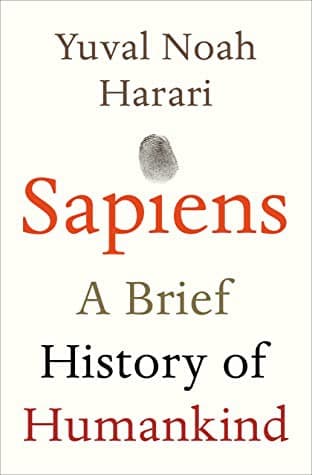
Sapiens
by Yuval Noah Harari
💡 We earn from qualifying purchases. Learn more
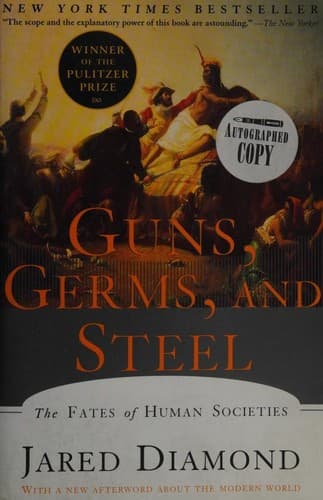
Guns, Germs, and Steel
by Jared Diamond
💡 We earn from qualifying purchases. Learn more
Quick Comparison
| Feature | Sapiens | Guns, Germs, and Steel |
|---|---|---|
| Central Question | How did humans become dominant? | Why did some societies conquer others? |
| Main Argument | Shared beliefs and cognitive revolution enabled cooperation | Geography and environment determined civilization development |
| Scope | Global human history, 70,000 years | Last 13,000 years, focus on Eurasia vs other continents |
| Approach | Cultural and cognitive evolution | Environmental determinism and biogeography |
| Writing Style | Conversational, provocative, fast-paced | Academic, methodical, evidence-heavy |
| Page Count | 443 pages | 528 pages |
| Published | 2011 (English: 2014) | 1997 (Pulitzer Prize winner) |
| Feature | Sapiens | Guns, Germs, and Steel |
|---|---|---|
| Central Question | How did humans become dominant? | Why did some societies conquer others? |
| Main Argument | Shared beliefs and cognitive revolution enabled cooperation | Geography and environment determined civilization development |
| Scope | Global human history, 70,000 years | Last 13,000 years, focus on Eurasia vs other continents |
| Approach | Cultural and cognitive evolution | Environmental determinism and biogeography |
| Writing Style | Conversational, provocative, fast-paced | Academic, methodical, evidence-heavy |
| Page Count | 443 pages | 528 pages |
| Published | 2011 (English: 2014) | 1997 (Pulitzer Prize winner) |
Strengths & Weaknesses
Sapiens
✓ Strengths
- ✓Cognitive Revolution mind-blowing: 70,000 years ago we developed ability to believe shared fictions (gods, nations, money). Strangers cooperate
- ✓'We didn't domesticate wheat, it domesticated us' hits hard. Pre-agriculture humans healthier, worked less (20hr/week). 'Biggest fraud in history'
- ✓Shared myths explain EVERYTHING modern. Money works because we believe paper has value. Nations exist because we believe in borders. Powerful
- ✓Harari's writing addictive and provocative. 'Are we happier than hunter-gatherers?' Connects ancient history to TODAY. Can't put it down
- ✓156,000 ratings versus Diamond's 78,000—double the audience. More readable, more relevant to modern life than Diamond's environmental determinism
✗ Weaknesses
- ✗Harari makes huge claims with thin evidence. 'Agricultural Revolution biggest fraud'—based on what data? Provocative but sacrifices rigor
- ✗Doesn't explain WHY Eurasia conquered Americas. Diamond does that with geography. Harari focuses culture but skips environmental factors
- ✗Historians accuse oversimplification and cherry-picking. Great story but glosses over complexity. More pop history than rigorous scholarship
- ✗Happiness question gets philosophical but inconclusive. Were hunter-gatherers happier? Maybe. Harari speculates but admits we can't really know
Guns, Germs, and Steel
✓ Strengths
- ✓Diamond answers THE question: Why Europeans conquered Americas not vice versa? Geography. Eurasia had 14 of 15 domesticable large mammals
- ✓Disease explanation devastating: Eurasians lived with animals 10,000 years, created smallpox. 90% of Native Americans died from germs not guns
- ✓Destroys racist explanations. NOT that Europeans smarter—Eurasia's east-west axis allowed crop spread. Geography not genes explains inequality
- ✓Won Pulitzer Prize for good reason. Diamond is professor (geography, physiology) with decades research. Serious scholarship not pop history
- ✓'Ultimate versus proximate causes' framework brilliant. Proximate: guns, steel. Ultimate: Eurasia had domesticable plants/animals 10,000 years earlier
✗ Weaknesses
- ✗DENSE. 528 pages of agriculture, biogeography, domestication. 50 pages on why Eurasia had better crops. Fascinating but exhausting. Sapiens flies
- ✗Environmental determinism feels limiting. Geography determines everything—but what about creativity, culture, ideas? Harari's myths feel richer
- ✗Can be repetitive. Proves thesis (geography matters) with 15 examples. By page 300 thinking 'I GET IT—Eurasia had wheat and horses'
- ✗Published 1997 feels dated versus Sapiens (2014). Pre-fMRI, before modern brain imaging, behavioral economics, cognitive science research
Memorable Quotes
Sapiens
💭 "We did not domesticate wheat. It domesticated us."
💭 "Large numbers of strangers can cooperate successfully by believing in common myths."
💭 "The Agricultural Revolution was history's biggest fraud."
💭 "Money is the most universal and most efficient system of mutual trust ever devised."
💭 "Biology enables, culture forbids."
Guns, Germs, and Steel
💭 "History followed different courses for different peoples because of differences among peoples' environments, not because of biological differences among peoples themselves."
💭 "Much of human history has consisted of unequal conflicts between the haves and the have-nots."
💭 "The striking differences between the long-term histories of peoples of the different continents have been due not to innate differences in the peoples themselves but to differences in their environments."
Why Read This?
Sapiens
- •You want engaging, fast-paced journey through human history
- •You're fascinated by how shared beliefs and myths shaped civilization
- •You enjoy philosophical questions about happiness, progress, meaning
- •You prefer conversational storytelling over academic prose
- •You want fresh, provocative perspectives on familiar history
Guns, Germs, and Steel
- •You want to understand why global inequality exists today
- •You're interested in geography's role in shaping human societies
- •You appreciate rigorous, evidence-based historical arguments
- •You want to understand agriculture, domestication, disease
- •You want scholarly book that won Pulitzer Prize
🏆 The Verdict
Sapiens wins for most readers—156,000 ratings versus 78,000 (double), more engaging writing, broader relevance to modern life. Harari's 'shared myths' concept (money, nations, religion are fictions we believe in) is more mind-expanding than Diamond's environmental determinism. But Guns, Germs, and Steel is essential for understanding WHY Eurasia conquered the world (geography not genes). Both are magnificent—Sapiens more fun, Diamond more rigorous.
Read Sapiens first for exciting, page-turning journey through human history. Published 2011 (English 2014), 156,000 ratings at 4.6 stars. Harari's Cognitive Revolution (believing shared fictions lets strangers cooperate), Agricultural Revolution ('history's biggest fraud'—wheat enslaved us to farm work), and shared myths (money, nations, rights are powerful fictions) will blow your mind. At 443 pages, writing is addictive and connects ancient history to modern life. Then read Guns, Germs, and Steel if you want rigorous answer to why Eurasia conquered Americas. Diamond's geography explanation (Eurasia had 14 of 15 domesticable mammals, east-west axis spread crops, disease killed 90% of Native Americans), Pulitzer Prize-winning scholarship, and 'ultimate versus proximate causes' framework destroy racist explanations. At 528 dense pages it's exhausting but essential. If you only read one: Sapiens for entertaining big-picture history. Add Guns, Germs, and Steel for evidence-based geographic determinism.
You Might Also Like
More comparisons in this category to help you make the right choice
Explore More Comparisons
Browse all our book comparisons across different genres
All ComparisonsExplore comparisons by category: History & Philosophy and more
Browse CategoriesHave a comparison request? We'd love to hear from you!
Request Comparison