Last updated: February 8, 2026
The Hunger Games vs Divergent: Head to Head Comparison
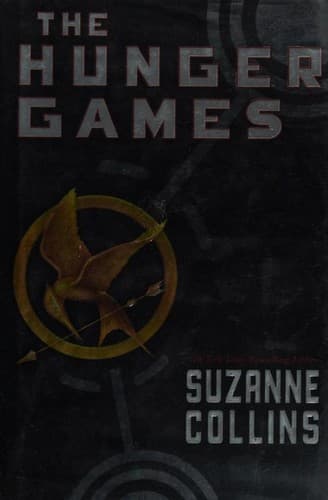
The Hunger Games
by Suzanne Collins
💡 We earn from qualifying purchases. Learn more
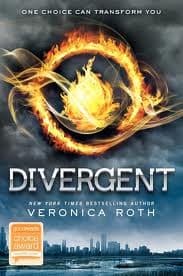
Divergent
by Veronica Roth
💡 We earn from qualifying purchases. Learn more
Quick Comparison
| Feature | The Hunger Games | Divergent |
|---|---|---|
| Dystopian System | Authoritarian Capitol exploiting 12 districts | Chicago divided by personality traits (5 factions) |
| Central Conflict | Televised child death match + revolution | Choosing identity + faction war |
| Protagonist | Katniss—traumatized hunter, strategic survivor | Tris—identity crisis teen in combat training |
| Pacing | Relentless—finish in one sitting | Slower burn with training montages |
| Popularity | 7,890,000 ratings - 4.7 stars | 3,450,000 ratings - 4.6 stars |
| Cultural Impact | Created entire YA dystopian genre wave | Rode the wave Hunger Games created |
| Page Count | 374 pages | 487 pages (113 more) |
| Trilogy Quality | Strong throughout, sticks landing | Book 1 solid, Book 3 widely despised |
| Feature | The Hunger Games | Divergent |
|---|---|---|
| Dystopian System | Authoritarian Capitol exploiting 12 districts | Chicago divided by personality traits (5 factions) |
| Central Conflict | Televised child death match + revolution | Choosing identity + faction war |
| Protagonist | Katniss—traumatized hunter, strategic survivor | Tris—identity crisis teen in combat training |
| Pacing | Relentless—finish in one sitting | Slower burn with training montages |
| Popularity | 7,890,000 ratings - 4.7 stars | 3,450,000 ratings - 4.6 stars |
| Cultural Impact | Created entire YA dystopian genre wave | Rode the wave Hunger Games created |
| Page Count | 374 pages | 487 pages (113 more) |
| Trilogy Quality | Strong throughout, sticks landing | Book 1 solid, Book 3 widely despised |
Strengths & Weaknesses
The Hunger Games
✓ Strengths
- ✓At 7,890,000 ratings and 4.7 stars, it has 129% more readers than Divergent's 3,450,000 at 4.6—Hunger Games is THE book that created modern YA dystopian boom. Every teen dystopia published after 2008 (Divergent, Maze Runner, Legend, Red Rising) exists because Hunger Games proved the genre could dominate bestseller lists and box office. Published 2008, it's not just good—it's historically important as genre-defining phenomenon
- ✓Katniss Everdeen is ONE OF THE BEST YA protagonists ever written—she's traumatized from father's death in mine explosion at age 11 (forced to become family provider), strategic hunter in woods (shoots squirrels through eye to preserve meat), emotionally damaged with PTSD, and her main priority is SURVIVAL not romance. The love triangle exists (Peeta vs Gale), but it doesn't define her—she's using romance as survival strategy for sponsors during Games. That emotional manipulation is dark and refreshing
- ✓The premise is genuinely DISTURBING in ways that stick with you—kids (ages 12-18, some only 12 years old) murdering each other on live TV while Capitol treats it like Super Bowl entertainment. That's DARK. Rue's death scene (11-year-old girl speared, Katniss sings her to sleep, covers body in flowers) devastated readers. Collins doesn't shy away from horror. The psychological impact of watching children die for entertainment parallels Roman gladiators and reality TV exploitation
- ✓The pacing is absolutely RELENTLESS from the Reaping onward—once Katniss volunteers ('I volunteer as tribute!'), tension never drops. Training montage with sponsors, opening bloodbath at Cornucopia (11 tributes dead in 2 minutes), Tracker Jacker nest, fire bombs from Gamemakers, Cato's armor, Katniss blowing up supplies, rule change allowing two winners, berry suicide threat. I've watched people finish this in one sitting because they physically couldn't put it down
- ✓The social commentary is SHARP and still relevant—reality TV exploitation (Survivor meets death matches), propaganda (Caesar Flickerman interviews, Gamemaker manipulation), media control (how governments distract citizens with spectacle while oppressing them), wealth inequality (Capitol excess vs District 12 starvation), child soldiers, PTSD trauma. These themes hit different when you see them playing out in real world politics and media
- ✓The trilogy actually STICKS THE LANDING—Mockingjay (book 3) is darker and messier than books 1-2, but the ending makes emotional sense. Katniss doesn't get fairy tale—she gets PTSD, loses Prim (the sister she volunteered to save dies anyway in Capitol bombing), kills President Coin instead of Snow (recognizing new tyranny), chooses Peeta over Gale (because Gale's bombs killed Prim), and lives with trauma in District 12. That's honest storytelling refusing to pretend war is clean
- ✓It works for both teens AND adults—the first-person present tense ('I see Prim's face' not 'I saw') creates immediacy. The writing is accessible without being condescending. The themes (trauma, survival, government oppression, media manipulation) are heavy enough that adult readers don't feel they're reading down to YA. My book club (adults 30-50) loved it
- ✓At 374 pages it's 113 pages SHORTER than Divergent's 487 (23% less)—Collins respects your time. Every scene drives plot or character. No filler. Divergent's training montages and faction initiation drag. Hunger Games is lean thriller pacing
✗ Weaknesses
- ✗The love triangle is the WEAKEST part of series—Katniss's confusion between Peeta (baker's son, genuinely loves her, announces love on TV before Games, paints himself into rocks to hide, teams up to survive) and Gale (childhood hunting partner, kissed once, represents District 12 past) feels forced. Honestly, the political rebellion storyline (overthrowing President Snow, exposing Capitol) is WAY more interesting than 'which boy should I kiss?' The romance feels like YA obligation not organic story need
- ✗The violence is genuinely BRUTAL for YA—kids killing kids on TV is dark as hell. The opening bloodbath (tributes slaughtering each other at Cornucopia for weapons), Cato's slow death eaten by wolf mutations for hours, tributes dying of dehydration/starvation/burns, the poisonous berries suicide threat. Collins doesn't pull punches. If you're squeamish or have younger readers (under 13), this may be too intense. Some parents ban it
- ✗Katniss becomes frustratingly PASSIVE in Mockingjay (book 3)—she's dealing with realistic PTSD and trauma (nightmares, flashbacks, can't trust anyone, hypervigilance), which is psychologically accurate portrayal of war trauma. But narratively it makes her less active protagonist when you want her fighting back. She's manipulated by President Coin, used as propaganda 'Mockingjay' symbol against her will, and watches more than acts. Realistic ≠ satisfying for some readers
- ✗The first-person present tense ('I run' instead of 'I ran') takes getting used to—some readers never adjust. It creates immediacy and urgency (you experience events AS Katniss does), but it can feel awkward especially in quieter scenes ('I sit at table. I eat bread. I think about Gale'). Past tense would flow more naturally. This is stylistic choice you love or hate
- ✗Some world-building elements feel underdeveloped—what happened to rest of world? Why 12 districts (was there 13th—yes, revealed later)? How did Capitol maintain control for 74 years? What's daily life like in other districts (only see District 12 coal mining)? The focus stays tight on Katniss's POV which creates mystery but limits scope. More exposition would satisfy curious readers
Divergent
✓ Strengths
- ✓The faction system is ADDICTIVE personality sorting—everyone loves categorization (Hogwarts houses, Myers-Briggs, Enneagram). Spending first half debating which faction you'd choose is genuinely fun: Abnegation (selfless, grey clothes, serve others, government leaders), Amity (peaceful, farmers, sing, yellow/red), Candor (honest, lawyers, blunt, black/white), Dauntless (brave, soldiers/police, trains/tattoos/piercings, black), Erudite (intelligent, teachers/researchers, blue, glasses). It's basically Hogwarts houses meets dystopia. People take online quizzes determining their faction
- ✓Tris's identity crisis feels REAL for teenage readers—the struggle between who your family wants you to be (selfless Abnegation like parents) and who you actually are (craves bravery and freedom = Dauntless) resonates at age 16. 'Faction before blood' motto forces impossible choice between family loyalty and self-actualization. That coming-of-age tension works even if faction system is silly logically
- ✓Four/Tobias is genuinely GOOD love interest—he supports Tris without being possessive or creepy (no Edward Cullen stalking), helps her grow without overshadowing her agency, has his own compelling backstory (abused by Marcus Eaton, left Abnegation for Dauntless, has four fears hence name 'Four', his real name Tobias). He teaches her knife throwing, protects without patronizing, respects her choices. The romance develops organically through training not insta-love
- ✓The Dauntless initiation training is EXCITING—watching Tris transform from timid Abnegation girl (never looked in mirror, served others silently) to knife-throwing zip-lining badass is satisfying. The stages: physical (fighting Peter/Molly, learning guns/knives, jumping on/off moving trains), mental (fear landscape simulations conquering phobias), combined (facing fears publicly). Even if training montages get repetitive, the progression feels earned
- ✓At 3,450,000 ratings it's STILL one of most popular YA dystopias—despite being derivative, it sold millions, got major movie franchise (Shailene Woodley, Theo James), and defined post-Hunger Games YA landscape. Published 2011 (three years after Hunger Games), it caught the wave perfectly. For context: that's more readers than most books will ever see. It's not Hunger Games-level cultural phenomenon, but it's massive success
- ✓If you want MORE romance than Hunger Games delivers, Divergent wins—the Tris/Four relationship gets significant development and page time (first kiss during fear landscape, intimacy building through training, trust issues when she discovers he's Abnegation leader's son). Hunger Games uses romance tactically for survival; Divergent explores teenage romance more traditionally
✗ Weaknesses
- ✗The faction system makes ZERO SENSE if you think for five minutes—where are engineers? (Need Erudite intelligence AND Dauntless risk-taking.) Doctors? (Erudite knowledge, Abnegation compassion, Dauntless stomach for blood.) Teachers? Farmers are all Amity but cities need food—how does that work? What if you're creative (no faction for that)? Ambitious (no faction)? The premise 'everyone fits into five personality types' collapses under scrutiny. Chicago city functioning on this system is laughable
- ✗The trilogy gets PROGRESSIVELY WORSE—Book 1 (Divergent) is solid 4.6-star fun. Book 2 (Insurgent) is meh with repetitive faction war. Book 3 (Allegiant) is almost UNIVERSALLY HATED by fans for shocking character death (Tris dies), unsatisfying ending, genetic purity plot twist (Divergents are 'genetically pure,' everyone else 'damaged'—yikes eugenics vibes), and dual POV (Tris and Four sound identical). Hunger Games builds momentum; Divergent loses it. Don't get invested expecting satisfying conclusion
- ✗It's derivative as HELL hitting too many Hunger Games beats—dystopian oppressive society (check), choosing ceremony determining future (Reaping = Choosing Day), protagonist from lower class entering elite training (Katniss in Capitol = Tris in Dauntless), love interest who's instructor/mentor (Peeta's public protection = Four's training), corrupt leaders maintaining power (President Snow = Jeanine Matthews), rebellion brewing (Mockingjay symbol = Divergent label). Published 2011 three years after Hunger Games (2008), the influence is OBVIOUS
- ✗Tris makes INFURIATINGLY stupid decisions that only exist to create drama—not 'character flaw' stupid but 'the plot needs this conflict' stupid. She lies to Four about being Divergent (understandable), trusts Jeanine obviously evil (why?), goes into dangerous situations alone when backup exists (manufactured tension). You're yelling at book 'Don't do that!' and she does it anyway. Katniss makes survival-driven choices; Tris makes plot-driven choices
- ✗The world-building has MASSIVE logic holes—Chicago is fenced off... why? What's outside the fence? (Revealed book 3: genetic experiment—unsatisfying). How did faction system start? Why five factions specifically? What happened to rest of America/world? The answers in book 3 are worse than no answers (genetic purity eugenics message is troubling). Hunger Games' world makes brutal sense (oppression through violence); Divergent's world doesn't
- ✗At 487 pages it's 113 pages LONGER than Hunger Games' 374 (30% more)—the training sequences, faction politics, and initiation trials drag. You could cut 100 pages and improve pacing. Collins writes lean thrillers; Roth writes bloated YA with repetitive action scenes
Memorable Quotes
The Hunger Games
💭 "May the odds be ever in your favor."
💭 "I volunteer as tribute!"
💭 "Hope is the only thing stronger than fear."
💭 "Fire is catching! And if we burn, you burn with us!"
💭 "Remember, we're madly in love, so it's all right to kiss me anytime you feel like it."
💭 "Destroying things is much easier than making them."
Divergent
💭 "Becoming fearless isn't the point. That's impossible. It's learning how to control your fear, and how to be free from it."
💭 "I might be in love with you. I'm waiting until I'm sure to tell you, though."
💭 "We believe in ordinary acts of bravery, in the courage that drives one person to stand up for another."
💭 "I have a theory that selflessness and bravery aren't all that different."
💭 "Fear doesn't shut you down; it wakes you up."
Why Read This?
The Hunger Games
- •Want THE book that created YA dystopian genre (129% more readers)
- •Love high-stakes survival with relentless pacing (finish one sitting)
- •Appreciate sharp social commentary (reality TV, propaganda, oppression)
- •Want female protagonist prioritizing survival over romance
- •Need trilogy that sticks landing with honest trauma portrayal
- •Enjoy disturbing premises (kids killing on TV) executed brilliantly
- •Want 374 pages respecting your time with zero filler
Divergent
- •Obsessed with personality sorting (faction quiz like Hogwarts houses)
- •Want MORE romance than Hunger Games (Tris/Four relationship focus)
- •Love training montages and initiation arcs (Dauntless boot camp)
- •Need identity crisis coming-of-age (faction before blood choice)
- •Already read Hunger Games, want more YA dystopia
- •Don't mind derivative if execution entertaining (Book 1 fun)
- •Enjoy faction system despite logic holes (suspension of disbelief)
🏆 The Verdict
The Hunger Games wins decisively on virtually every metric with 129% more readers (7,890,000 vs 3,450,000), higher rating (4.7 vs 4.6), stronger cultural impact (created genre vs rode wave), better pacing (374 vs 487 pages—30% leaner), superior protagonist (Katniss prioritizes survival, Tris makes plot-driven decisions), and trilogy quality (sticks landing vs Book 3 universally hated). Hunger Games is more original (kids killing on TV, sharp social commentary), historically important (launched YA dystopian boom 2008), and works for teens AND adults. Divergent is fun if you love personality sorting (faction system addictive despite logic holes) and want more romance, but it's derivative, bloated, and collapses in Book 3.
Read The Hunger Games if you want the original, the best, and most impactful YA dystopian novel of 21st century. The premise (kids ages 12-18 fighting to death on live TV, Capitol exploiting 12 districts) is disturbing and brilliantly executed. Katniss Everdeen (traumatized hunter, strategic survivor, prioritizes living over romance) is iconic protagonist. The pacing is relentless from 'I volunteer as tribute!' through opening bloodbath, Tracker Jackers, rule change, berry suicide threat. Social commentary on reality TV exploitation, propaganda, media control, wealth inequality stays relevant. At 7,890,000 ratings and 4.7 stars, it's genre-defining phenomenon. The trilogy sticks landing—Mockingjay darker but honest (Katniss gets PTSD not fairy tale, Prim dies, kills Coin, chooses Peeta). Only 374 pages with zero filler. Works for teens AND adults. Warning: violence is brutal (kids killing kids), love triangle weakest element. Read Divergent if you've finished Hunger Games and need more YA dystopia in your life. The faction system (Abnegation, Amity, Candor, Dauntless, Erudite) is addictive personality sorting like Hogwarts houses—everyone debates which faction they'd choose. Tris's identity crisis (family vs self-actualization) resonates for teens. Four/Tobias is good non-creepy love interest. Dauntless training montages (knife throwing, fear landscapes, jumping trains) are exciting despite repetition. At 3,450,000 ratings and 4.6 stars, it's massive success. Warning: faction system makes zero sense logically (where are engineers/doctors/teachers?), derivative of Hunger Games (choosing day, training, rebellion), Book 3 Allegiant is DESPISED (Tris dies, genetic purity eugenics plot), 487 pages bloated (30% longer with drag). If you only read one, choose Hunger Games for originality, cultural impact, superior writing, and trilogy that delivers. Divergent is entertaining Book 1 but disappointing overall.
You Might Also Like
More comparisons in this category to help you make the right choice
Explore More Comparisons
Browse all our book comparisons across different genres
All ComparisonsExplore comparisons by category: Fiction & Literature and more
Browse CategoriesHave a comparison request? We'd love to hear from you!
Request Comparison