Last updated: February 10, 2026
One Hundred Years of Solitude vs The House of the Spirits: Head to Head Comparison
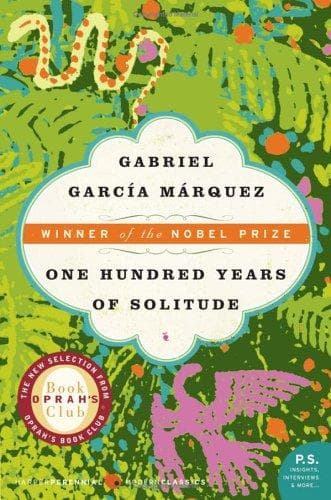
One Hundred Years of Solitude
by Gabriel García Márquez
💡 We earn from qualifying purchases. Learn more
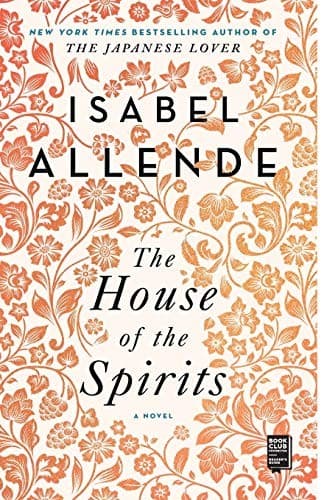
The House of the Spirits
by Isabel Allende
💡 We earn from qualifying purchases. Learn more
Quick Comparison
| Feature | One Hundred Years of Solitude | The House of the Spirits |
|---|---|---|
| Setting | Fictional Macondo, Colombia | Unnamed country (Chile-inspired) |
| Time Span | Seven generations | Four generations |
| Focus | Cyclical time, myth, isolation | Political history, feminism, social change |
| Magical Realism | Seamless, matter-of-fact | More grounded, spiritual gifts |
| Tone | Mythic, tragic, inevitable | Emotional, political, hopeful |
| Female Characters | Important but not central focus | Powerful women drive the narrative |
| Page Count | 417 pages | 448 pages |
| Published | 1967 (defined magical realism) | 1982 (inspired by García Márquez) |
| Feature | One Hundred Years of Solitude | The House of the Spirits |
|---|---|---|
| Setting | Fictional Macondo, Colombia | Unnamed country (Chile-inspired) |
| Time Span | Seven generations | Four generations |
| Focus | Cyclical time, myth, isolation | Political history, feminism, social change |
| Magical Realism | Seamless, matter-of-fact | More grounded, spiritual gifts |
| Tone | Mythic, tragic, inevitable | Emotional, political, hopeful |
| Female Characters | Important but not central focus | Powerful women drive the narrative |
| Page Count | 417 pages | 448 pages |
| Published | 1967 (defined magical realism) | 1982 (inspired by García Márquez) |
Strengths & Weaknesses
One Hundred Years of Solitude
✓ Strengths
- ✓That opening line—'Many years later, as he faced the firing squad, Colonel Aureliano Buendía was to remember that distant afternoon when his father took him to discover ice.' García Márquez won the Nobel Prize in 1982 largely because of this book
- ✓Magical realism feels inevitable, not fantastical. Remedios the Beauty ascends to heaven folding sheets. A plague of insomnia erases Macondo's memory, forcing residents to label everything. Father Nicanor levitates drinking hot chocolate
- ✓Seven generations create mythic cycles—seventeen Aurelianos, multiple José Arcadios. The repetitive names aren't confusion, they're the point. José Arcadio Buendía founds Macondo, his great-great-grandson discovers the prophecy
- ✓You watch civilization rise and fall in 417 pages. Gypsies bring ice and magnets (treated as miracles). Railroad connects to civilization. United Fruit Company massacres 3,000 banana workers—based on real 1928 Colombian event
- ✓Works as Latin American history allegory. Spanish colonialism (Macondo's founding), foreign exploitation (banana company), civil wars (Aureliano fights 32), collective amnesia (insomnia plague). It's disguised as family saga
✗ Weaknesses
- ✗The repetitive names drive you insane—seventeen Aurelianos, multiple José Arcadios and Remedios. You need a family tree bookmark or you'll constantly flip back confused. Some readers quit by page 100
- ✗The cyclical structure means nothing changes. History repeats, people make identical mistakes, the ending is predetermined by Melquíades's century-old prophecy. That fatalism depresses readers wanting growth
- ✗García Márquez keeps emotional distance. The prose is mythic and gorgeous, but you're observing from above, not inside characters' heads. When babies have pig's tails, it's reported matter-of-factly. Some find it cold
- ✗If you can't accept magical realism, this won't work. A woman ascends folding laundry, a child is born with a pig's tail, yellow butterflies follow characters. You either surrender to dream logic or bounce off
The House of the Spirits
✓ Strengths
- ✓Clara del Valle and her descendants are unforgettable. Clara predicts deaths, moves salt shakers telekinetically, communicates with spirits. Blanca defies patriarch Esteban for Pedro Tercero. Alba survives Pinochet's torture
- ✓The political history is specific and grounded. This is clearly Chile's 1973 coup—Allende's uncle Salvador was president, overthrown by Pinochet. Esteban Trueba represents conservatives, Alba the revolutionary youth. Written in 1982 exile
- ✓More emotionally accessible than García Márquez. You cry when characters suffer, feel their rage. Alba's torture scene is devastating because you've lived with her 400 pages. García Márquez keeps mythic distance
- ✓The magical realism is gentler—Clara moves objects telekinetically, predicts earthquakes, communicates with spirits. It's spiritual gifts, not cosmic weirdness. Easier entry point for readers new to the genre
- ✓Clearer structure across four generations: del Valle sisters, Trueba family, Blanca's forbidden love, Alba's activism. You can follow the family tree without reference charts. Chronology moves forward, not in circles
✗ Weaknesses
- ✗Obviously influenced by García Márquez to the point critics call it derivative. Allende admits One Hundred Years changed her life—she started writing after reading it. Clearly the student learning from the master
- ✗The political message sometimes overwhelms the art. Conservative Esteban is cartoonishly villainous (rapes peasants, beats workers), Alba is saintly. García Márquez embedded politics in myth; Allende makes it explicit
- ✗Not quite as perfectly crafted—loose ends, uneven pacing, sections that drag. García Márquez spent years polishing every sentence. Allende's prose is beautiful but looser, more emotional than controlled
- ✗The ending feels redemptive compared to García Márquez's tragic inevitability. Alba survives torture, finds love, writes the family story. Emotionally satisfying but less artistically daring than Macondo's destruction
Memorable Quotes
One Hundred Years of Solitude
💭 "Many years later, as he faced the firing squad, Colonel Aureliano Buendía was to remember that distant afternoon when his father took him to discover ice."
💭 "It's enough for me to be sure that you and I exist at this moment."
💭 "He really had been through death, but he had returned because he could not bear the solitude."
💭 "The secret of a good old age is simply an honorable pact with solitude."
💭 "No matter what you do, this world is going to keep on turning."
💭 "She would defend her purity all the way to death. She would defend it with more energy than she had ever defended her beauty."
The House of the Spirits
💭 "You can't find someone who doesn't want to be found."
💭 "Fear is inevitable, I have to accept that, but I cannot allow it to paralyze me."
💭 "In times of upheaval, she had learned, the important thing is to keep moving. It was the only way to survive."
💭 "Write what should not be forgotten."
💭 "My job is to write down what happens, so that later someone will tell it."
💭 "There is no death, daughter. People die only when we forget them."
Why Read This?
One Hundred Years of Solitude
- •You want to read one of the greatest novels of the 20th century
- •You're ready to experience magical realism at its absolute best
- •You love mythic, poetic prose that sweeps you away
- •You want to understand Latin American literature's masterpiece
- •You appreciate cyclical narratives and philosophical depth
- •You're looking for a book that creates an entire world
The House of the Spirits
- •You want a more accessible introduction to magical realism
- •You prefer strong female characters and feminist perspectives
- •You're interested in Latin American political history
- •You want emotional engagement alongside literary quality
- •You prefer clearer narrative structure over mythic ambiguity
- •You're looking for Allende's breakout masterpiece
🏆 The Verdict
One Hundred Years of Solitude wins as the greater artistic achievement—1,234,000 ratings at 4.5 stars versus 567,000 at 4.5 (more than double readership). García Márquez's 1967 novel defined magical realism, won him the 1982 Nobel Prize, and changed world literature. The opening line about ice and the firing squad is one of literature's greatest. Allende's 1982 novel is magnificent and more emotionally accessible, but it's explicitly the student learning from the master.
Read One Hundred Years of Solitude first if you want the masterpiece that changed literature. Yes, tracking seventeen Aurelianos is challenging, but that opening line hooks you. You'll watch José Arcadio Buendía found Macondo, seven generations rise and fall, Remedios the Beauty ascend to heaven folding sheets, the banana company massacre 3,000 strikers (real 1928 Colombian history), and Melquíades's century-old prophecy fulfilled. García Márquez treats magic like weather—a plague of insomnia forces residents to label everything, yellow butterflies follow Mauricio Babilonia, Father Nicanor levitates drinking hot chocolate. It's mythic, tragic, and unforgettable. Then read The House of the Spirits for Allende's more accessible take. Clara del Valle moves objects telekinetically, her granddaughter Alba survives Pinochet's torture (Allende's uncle Salvador was Chile's president overthrown 1973), and you get four generations of powerful women. It's emotionally devastating where Márquez is mythically distant. Both are masterpieces—Márquez for revolutionizing the novel, Allende for humanizing magical realism with political urgency and feminist power.
You Might Also Like
More comparisons in this category to help you make the right choice
Explore More Comparisons
Browse all our book comparisons across different genres
All ComparisonsExplore comparisons by category: Fiction & Literature and more
Browse CategoriesHave a comparison request? We'd love to hear from you!
Request Comparison