Last updated: February 12, 2026
How to Win Friends and Influence People vs Crucial Conversations: Head to Head Comparison
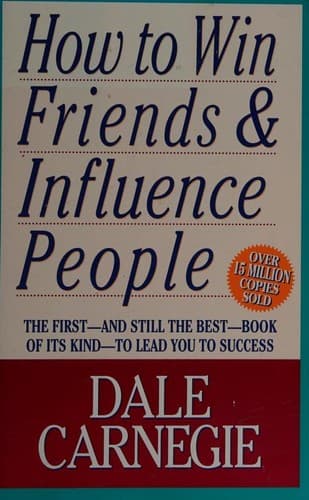
How to Win Friends and Influence People
by Dale Carnegie
💡 We earn from qualifying purchases. Learn more
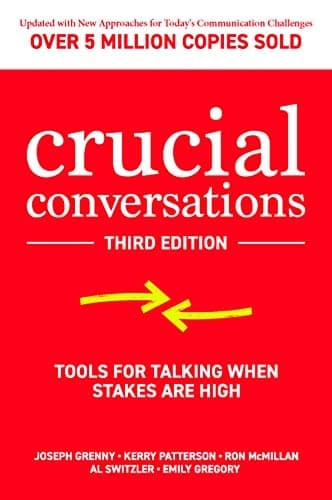
Crucial Conversations
by Kerry Patterson, Joseph Grenny, Ron McMillan, Al Switzler
💡 We earn from qualifying purchases. Learn more
Quick Comparison
| Feature | How to Win Friends and Influence People | Crucial Conversations |
|---|---|---|
| Main Focus | Building positive everyday relationships | Handling high-stakes difficult conversations |
| When to Use | Daily interactions, networking, making friends | Conflict, disagreements, crucial moments |
| Core Framework | 27 principles in 4 parts | STATE and CPR models for dialogue |
| Tone | Warm, encouraging, optimistic | Professional, systematic, tactical |
| Popularity | 125,000 ratings - 4.7 stars | 42,000 ratings - 4.6 stars |
| Published | 1936 (90 years, timeless) | 2002 (modern, regularly updated) |
| Page Count | 288 pages | 288 pages (identical) |
| Best For | General relationship building | Specific high-stakes conversations |
| Feature | How to Win Friends and Influence People | Crucial Conversations |
|---|---|---|
| Main Focus | Building positive everyday relationships | Handling high-stakes difficult conversations |
| When to Use | Daily interactions, networking, making friends | Conflict, disagreements, crucial moments |
| Core Framework | 27 principles in 4 parts | STATE and CPR models for dialogue |
| Tone | Warm, encouraging, optimistic | Professional, systematic, tactical |
| Popularity | 125,000 ratings - 4.7 stars | 42,000 ratings - 4.6 stars |
| Published | 1936 (90 years, timeless) | 2002 (modern, regularly updated) |
| Page Count | 288 pages | 288 pages (identical) |
| Best For | General relationship building | Specific high-stakes conversations |
Strengths & Weaknesses
How to Win Friends and Influence People
✓ Strengths
- ✓125,000 ratings at 4.7 stars—nearly 3x more than Crucial (42,000 at 4.6). Published 1936, sold 30M+ copies. Foundational text for 90 years
- ✓Remember names principle changed my interactions. Jim Farley remembered 50,000 names, became Postmaster General. People light up when you use their name
- ✓'Only way to win argument is avoid it' profound. Lose argument = lose. Win argument = they resent you. 'Let's examine facts' disarms hostility
- ✓Don't criticize condemn or complain—even Al Capone saw himself as good guy. Criticism triggers defense. Appreciation opens hearts
- ✓Immediately actionable TODAY. Smile, use names, listen more, ask about interests. No frameworks to memorize. Results within hours
- ✓Works for ALL relationships—family, work, romance, friends, strangers. 6 ways to make people like you apply universally, not just professional
✗ Weaknesses
- ✗Doesn't work for high-conflict. Firing someone, brutal feedback, confronting unethical behavior—smiling doesn't cut it. Need Crucial Conversations
- ✗Never criticize principle backfires professionally. Managers paid to give critical feedback. Part 4 only 60 pages versus 150 on being liked
- ✗1930s examples dated: telegraph operators, typewriters, steel magnates. Gen Z/Millennials struggle with references. Crucial more modern (2002)
- ✗Critics call it manipulative—if interest isn't genuine, people smell fakery. Carnegie warns only works if real, but that's character not technique
- ✗No power dynamics discussion. Works for seeking favor (employee to boss), not wielding authority (manager to underperforming employee)
- ✗Principles feel obvious now because Carnegie made them common sense. 'Listen, smile, remember names' seem basic—forgetting he invented this in 1936
Crucial Conversations
✓ Strengths
- ✓STATE model gives actual script: Share facts (not judgments), Tell story, Ask their path, Talk tentatively, Encourage testing. Actionable
- ✓Safety concept brilliant. People defend selves when attacked, not positions. Create mutual purpose + respect FIRST, then have hard conversation
- ✓Master Your Stories explains emotions. You're angry from story you tell (they hate me) not facts (didn't text back). Control story = control emotion
- ✓CPR escalation prevents going nuclear: Content (today's interruption) → Pattern (third time) → Relationship (damages our work). Give chances
- ✓Start with heart—ask 'what do I really want?'—before crucial talks. Want to be right? Punish? Save relationship? Get results? Sets intention
- ✓Built on 25 years research studying thousands of conversations. Identified learnable skills separating brilliant from terrible at tough talks
✗ Weaknesses
- ✗42,000 ratings versus 125,000 (66% fewer)—narrower specialist appeal. Carnegie universal, Crucial specialist tool for high-stakes only
- ✗Acronyms overwhelming: STATE, CPR, AMPP, CRIB. When coworker yelling, mentally fumbling frameworks doesn't feel natural. Carnegie simpler
- ✗Corporate consulting speak feels robotic. Use STATE on spouse during fight? Prepare for 'Why so mechanical?' Carnegie's stories more human
- ✗Assumes you WANT the conversation. Doesn't address fear of anger, desire to be liked, confrontation anxiety that makes people avoid talks
- ✗Doesn't teach relationship BUILDING. Assumes relationships exist, now in conflict. Carnegie teaches creation through genuine interest first
Memorable Quotes
How to Win Friends and Influence People
💭 "You can make more friends in two months by becoming interested in other people than you can in two years by trying to get other people interested in you."
💭 "Remember that a person's name is to that person the sweetest and most important sound in any language."
💭 "The only way to get the best of an argument is to avoid it."
💭 "Any fool can criticize, condemn, and complain—and most fools do. But it takes character and self-control to be understanding and forgiving."
💭 "Talk to someone about themselves and they'll listen for hours."
💭 "When dealing with people, remember you are not dealing with creatures of logic, but with creatures of emotion."
Crucial Conversations
💭 "At the heart of almost all chronic problems in our organizations, our teams, and our relationships lies a crucial conversation—one that we're either not holding or not holding well."
💭 "The mistake most of us make in our crucial conversations is we believe we have to choose between telling the truth and keeping a friend."
💭 "People who are skilled at dialogue do their best to make it safe for everyone to add their meaning to the shared pool."
💭 "Start with heart. Ask yourself what you really want."
💭 "When it matters most, we do our worst."
💭 "Master your stories. Don't let emotions control you—control your emotions by examining the stories you tell yourself."
Why Read This?
How to Win Friends and Influence People
- •Learn timeless principles working 90 years across all cultures
- •Build positive everyday relationships at work and life
- •Master making people like you (6 ways) through genuine interest
- •Get foundational people skills essential for ALL humans
- •Want immediate results TODAY (smile, names, listen)
- •Need warm accessible classic (Warren Buffett changed his life)
- •Want universal principles (family, work, romance, friendship)
Crucial Conversations
- •Master handling difficult high-stakes conversations with confidence
- •Learn STATE model for tough feedback without defensiveness
- •Understand CPR escalation (Content → Pattern → Relationship)
- •Essential for managers giving performance reviews, confrontations
- •Get framework for staying productive when emotions run high
- •Need tools for conflict that 'be nice' doesn't solve
- •Want research-backed corporate communication skills
🏆 The Verdict
How to Win Friends wins as essential foundation—125,000 ratings at 4.7 versus 42,000 at 4.6 (nearly 3x more readers). Carnegie's 1936 classic teaches relationship BUILDING through genuine interest, remembering names, avoiding criticism, listening. Universal for all humans. Crucial Conversations wins for high-stakes conflict—STATE model, safety creation, Master Your Stories give frameworks for tough talks Carnegie doesn't address. Read Carnegie first for foundation, Crucial second for conflict.
Read How to Win Friends first—non-negotiable foundation for all humans. At 288 pages with 125,000 ratings at 4.7 stars for .99, Carnegie's 1936 classic teaches 27 principles in 4 parts: (1) Don't criticize condemn complain—Al Capone saw himself as good despite murders, criticism triggers defense, (2) Six ways to make people like you—be genuinely interested, smile, remember names (sweetest sound to any person), listen well, talk their interests, make them feel important, (3) Win people to your thinking—avoid arguments (lose argument = lose, win argument = they resent you), show respect, get 'yes yes', (4) Be leader without arousing resentment. Warren Buffett credits this book with changing his life at 20. Works for family, work, romance, friends—all relationships. After Carnegie builds foundation, read Crucial Conversations if you need high-stakes conflict skills. The STATE model (Share facts not judgments, Tell your story, Ask their path, Talk tentatively, Encourage testing), safety concept (mutual purpose + respect), Master Your Stories (emotions from stories you tell, not facts), CPR escalation (Content→Pattern→Relationship) handle tough conversations Carnegie doesn't address. If you only read one: How to Win Friends for universal relationship building. Add Crucial only if you frequently face difficult confrontations.
You Might Also Like
More comparisons in this category to help you make the right choice
Explore More Comparisons
Browse all our book comparisons across different genres
All ComparisonsExplore comparisons by category: Business & Leadership and more
Browse CategoriesHave a comparison request? We'd love to hear from you!
Request Comparison