Investing in collectibles has exploded into a $422.6 billion global market in 2026. As always, I will make sure you understand my words properly. In simple terms, collectible investing refers to buying items that can be physical or digital, possessing cultural or rarity value, with the expectation that their value will appreciate over time.
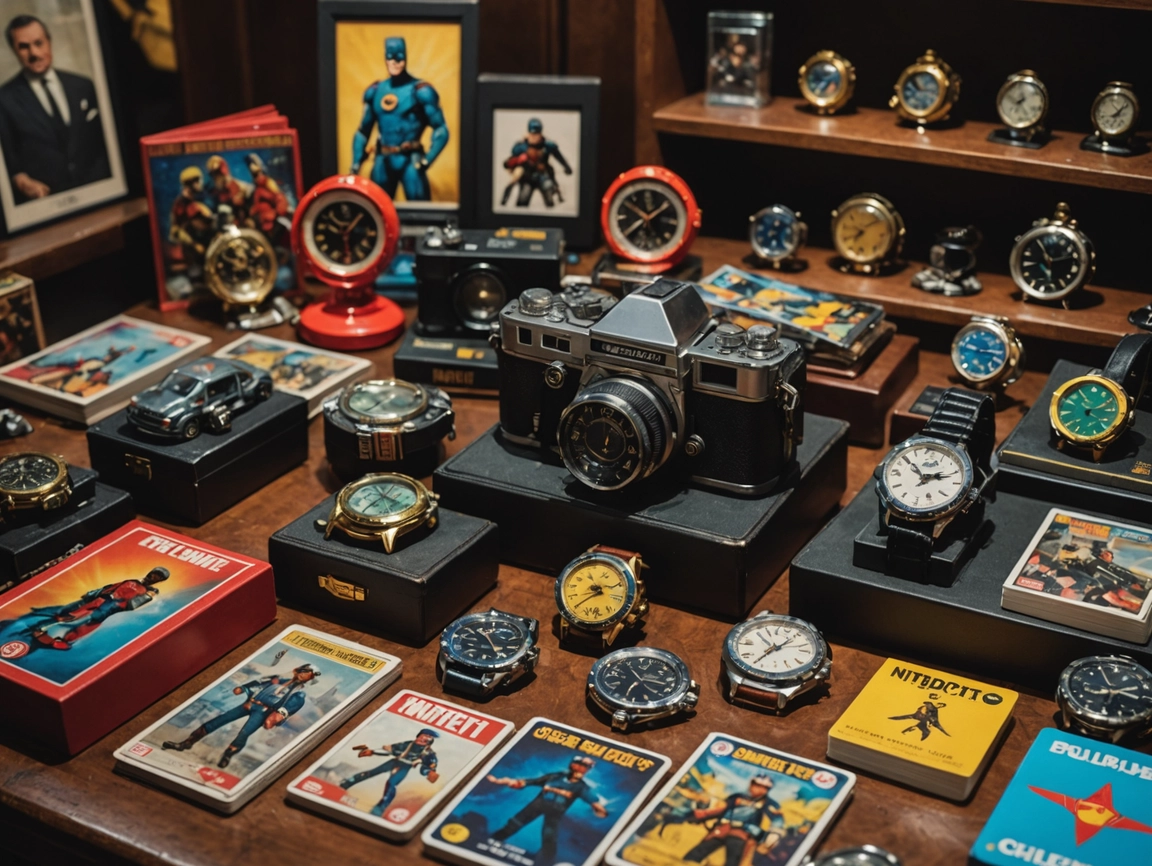
Some examples of collectibles
-Fine art and prints
-Trading cards (sports cards, Pokémon, etc.)
-Sneakers (rare Jordans, limited edition collaborations)
-Vintage watches (Rolex, Patek Philippe, Omega)
-NFTs and digital collectibles
-Rare books and manuscripts
-Vintage video games and consoles
-Classic cars and motorcycles
-Wine and whiskey
-Luxury goods & design objects (limited edition furniture, high-end cameras, etc.)
How to Start Investing in Collectibles: Step-by-Step Guide
Please note that I will share my journey and what I learned. My mistakes, my advantages and guidance from my father.
Step 1: Research and Learn Your area of interest
-Pick one or multiple areas you genuinely enjoy.
-Follow respected blogs, forums, podcasts, and auction results. You can also use tools like auction house histories (Sotheby’s, Heritage, Christie’s) and niche grading/market sites.
-Track recent sale prices, condition standards, and grading scales.
-Understand supply curves: how many exist, how many are sealed or mint, how many survive in good condition.
-Join online communities (Reddit, Discord groups, specialized forums)
-Watch YouTube channels dedicated to your niche
This will make a foundation of your understanding.
Step 2: Verify Authenticity and Condition
Authenticity is everything. Use grading or third party authentication services (like, PSA, Beckett for cards; CGC for comics; Swiss labs for watches; blockchain certificates for NFTs).
Condition / grade: a tiny scratch or discoloration can drop value by 50% or more. Be very careful.
Ask for provenance (history of ownership, receipts, photo documentation).
For digital, check smart contract metadata, chain history, and authenticity via block explorers or provenance trackers.
Step 3: Understand Liquidity & Timing
- Some collectibles are easy to sell (popular trading cards, NFTs) and others less so (very niche art, large sculptures).
- Beware of holding periods. It may take months or years to find the right buyer.
- markets have cycles. Don’t buy at peak hype. There is an analogy for us: collectibles are like wine, value emerges over time, not always immediately.
Don’t bet your entire portfolio on collectibles. Use them as a partial allocation. Within your collectible bucket, diversify across subniches to spread risk.
Step 5: Store and Insure Properly
For physical collectibles, use acid free materials, climate control, UV protective cases, or whatever you need to do for its safety. Document everything with high-resolution photos and condition reports. Many standard home/asset policies don’t cover rare collectibles. So get insurance.
Why Investing in Collectibles Is Growing in 2026:
Massive market scale:
The global collectibles market was estimated at about USD 294.2 billion in 2023, with projections to reach USD 422.6 billion by 2030 (5.5 % CAGR) according to Grand View Research. (Grand View Research)
In the U.S. alone, the collectibles market in 2024 pulled in USD 62.06 billion. And it is expected to grow to USD 83.73 billion by 2030. (Grand View Research). Isn’t it an opportunity glitch for us? Yes it is
Second hand and resale surge:
The market for second hand collectibles was valued at USD 142.5 billion in 2024, with projected growth (CAGR ~6.4 %) through 2034. (Global Market Insights Inc.)
This clearly tells us that people aren’t just hoarding; they’re actively trading and turning over collections all day, every day.
Digital revolution & NFTs:
In 2025, the global NFT market is estimated at USD 49 billion, with forecast growth to USD 703.5 billion by 2034 at ~34.5 % CAGR. (AInvest). Fractional ownership and peer-to-peer trading in digital collectibles also have momentum. The NFT fractional ownership market is projected to reach USD 2.3 billion in 2025. (CoinLaw)
Cultural and economic drivers:
Inflation is rising. What to do now? That is not a concern of you alone. The search for store of value alternatives, and broader access via online marketplaces all push more people toward collectibles. During periods of stock market volatility, many investors look to tangible assets with cultural cachet.
Why People Turn to Collectibles:
Magic formula: passion + patience = profit. When you collect something you love, let say vintage comics or sneakers, you stay engaged. That long term interest helps you spot deals, understand conditions, and resist you from impulse buying. You enjoy the whole ride, not just the return.
Best Platforms for Investing in Collectibles in 2026
Physical Collectibles Marketplaces
eBay – Largest marketplace for sports cards, vintage items, and general collectibles
Heritage Auctions – Premium auction house for high-value collectibles
StockX – Authenticated marketplace for sneakers, watches, and streetwear
Goldin Auctions – Specializes in sports memorabilia and trading cards
Catawiki – European-based auction platform for diverse collectibles
Digital Collectibles & NFT Platforms
OpenSea – Largest NFT marketplace for digital art and collectibles
Rarible – Community-owned NFT platform with creator royalties
Nifty Gateway – Curated premium NFT drops from artists
Rally – Fractional ownership in rare collectibles
Masterworks – Invest in blue-chip art with fractional shares
Authentication Services
PSA (Professional Sports Authenticator) – Trading cards grading
CGC (Certified Guaranty Company) – Comics and trading cards
Beckett Grading Services – Sports cards authentication
WatchCSA – Luxury watch certification
Common Mistakes to Avoid While Investing In Collectibles
1. Overpaying due to hype
When a trend is hot, many pay too much. Wait for discount moments. Hype fades, fundamentals endure.
2. Ignoring maintenance, storage, or provenance
You can lose years of growth from poor humidity control, light damage, or missing documentation. I’m warning again, be very careful about it.
3. Following trends blindly
Just because everyone is buying a trendy thing doesn’t mean value is rational. Again, collectibles are like fine wine, rarity, aging, and scarcity. That is it. simple.
4. Putting too much in one piece
A $100,000 single piece is much riskier than holding several mid range pieces.
5. Neglecting exit strategy
Have clear criteria for when to sell. Don’t get emotionally overattached. Even masterpieces may need to be liquidated at the right time.
I think if you follow the steps, you are ready for your starter piece. If I remind your task in simple language, then it is,
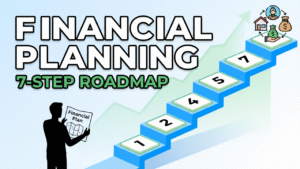
Pick your niche > Research > Buy a starter piece > Authenticate & document > Store & insure properly > Track markets and network > Decide exit targets
There is no asset in this universe that is fully risk free. We can not avoid risk. We can just minimize them. So do not be afraid of risk, and at the same time do not be overconfident. Always know your risk tolerance and execute plan.
Best of luck.
Thank you for being with me.
Mehrab Musa.
Founder, asset stories.